A native UAE plant is a species that grew in the Emirates' deserts, gravel plains, mountains or coast before people brought plants in. Natives suit low maintenance gardens because they live on the rainfall the region already gets. This guide defines which plants count as native, names the ones you can buy, lists the ones that stay wild, and explains why natives need so little water.
Which plants are native to the UAE
Plants native to the UAE are species adapted to under 100 mm of rain a year, sandy or gravel soil and summer heat above 45C, found here before any cultivation. They include trees such as ghaf and sidr, shrubs such as arak and markh, and desert grasses and succulents of the dunes and salt flats.
Four familiar street and garden plants aren't on the list. Conocarpus came from tropical coasts of the Americas and Africa. Neem is from South Asia. Bougainvillea is South American. Ficus nitida, the clipped hedge tree of Dubai villas, is from Asia.
The date palm is a special case. It has been cultivated in Arabia for thousands of years and its wild origin is debated, so botanists class it as long established rather than native.
8 native species you can buy for a garden
Eight UAE native species are propagated in quantity for garden and roadside planting, which makes them the natives a villa owner can actually source. They cover shade trees, screens, hedges and low shrubs, so a whole garden can be planned from natives alone. The 8, with the job each does:
- Ghaf, Prosopis cineraria, a wide shade tree with feathery grey green leaves.
- Sidr, Ziziphus spina-christi, a dense, thorny evergreen tree for shade and screening.
- Samr, Vachellia tortilis, the flat topped umbrella acacia of the gravel plains.
- Arak, Salvadora persica, a rounded, salt tolerant shrub that grows to 3 m.
- Markh, Leptadenia pyrotechnica, a leafless broom shrub that binds loose sand.
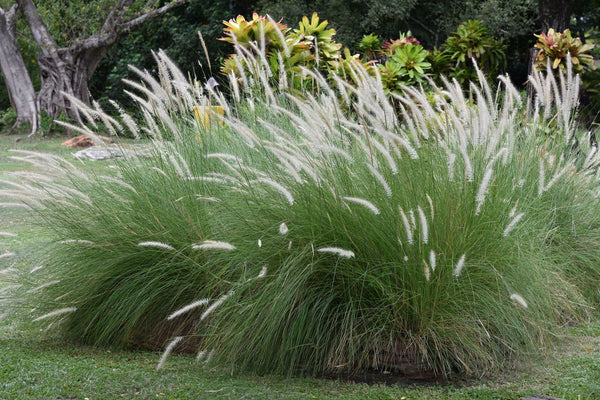
- Desert cotton, Aerva javanica, a low grey shrub with woolly white flower spikes.
- Hopbush, Dodonaea viscosa, a mountain shrub that clips into a 1.5 m hedge.
- Athel tamarisk, Tamarix aphylla, a fast windbreak tree that tolerates salty ground.
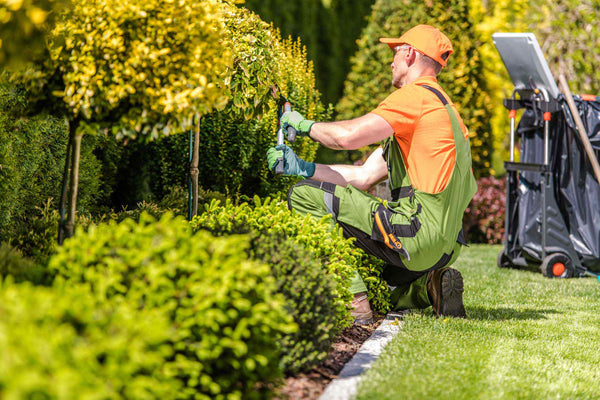
Hopbush is the easiest swap for a thirsty hedge. It takes clipping like Ficus and needs far less water once rooted. Samr and ghaf both grow wide, so give them at least 6 m from the villa wall.
Natives that stay wild and rarely reach a nursery
Four common UAE natives are rarely sold because they are slow to propagate or fail when moved. Rimth, arta, harm and arfaj cover huge areas of desert but depend on deep, undisturbed taproots, so they establish from seed in place and die when dug.
- Rimth, Haloxylon salicornicum, a jointed saltbush of gravel plains.
- Arta, Calligonum comosum, a dune shrub with fine green stems and red fruits.
- Harm, Zygophyllum qatarense, a succulent of salt flats and coastal sabkha.
- Arfaj, Rhanterium epapposum, a yellow flowered dwarf shrub of the northern sands.
Any plant sold as one of these should be checked for its origin. Plants dug from the wild rarely survive the move, and in the garden they die back within the first summer.
Why native plants need less water
Native plants need less water because their roots, leaves and growth cycle evolved for a place with almost no rain. Four traits do the work, and each one is visible on the plant itself: deep taproots, reduced leaves, salt handling and a pause in growth when water runs short.
Samr sends a taproot 10 metres or more down through gravel to reach moisture that never dries, so an established tree survives on rain alone. Markh has dropped its leaves entirely and photosynthesises through green stems, which lose far less water. Arak and athel tamarisk push excess salt out through their leaves, so saline soil doesn't stop them drinking. And desert cotton goes semi dormant in a dry spell, then flushes new growth after rain.
Establishment is the exception. A young native from a pot needs drip irrigation for its first 12 to 24 months, until its roots pass below the dry surface layer. After that, cut the water back month by month. Natives mix easily with other drought tolerant plants on the same low volume irrigation line.
Planting natives in a villa garden
Plant natives in the cool months, from October to March, so roots grow through a winter before the first summer. Put them in unamended native sand, since compost rich beds encourage shallow roots, and group them on their own irrigation valve away from lawn and flower beds.
Natives look sparse in a pot and fill out in 2 to 3 years. Combining them with faster exotic shrubs gives cover while they grow, and the wider outdoor plants range covers the flowering and screening shrubs that sit well beside them.
FAQ
Garden owners ask which plants are truly native more than anything else, then why those plants cope on so little water. A third question about the date palm turns up because its status surprises people. Each answer below is written to be read on its own.
Which plants are native to the UAE?
Ghaf, sidr, samr, arak, markh, desert cotton, hopbush and athel tamarisk are 8 UAE natives grown for garden planting. Wild natives such as rimth, arta, harm and arfaj are common in the desert but are hardly ever propagated for sale.
Why do native plants need less water?
Native plants evolved on under 100 mm of rain a year. Deep taproots reach groundwater, small or missing leaves cut water loss, salt excreting leaves handle saline soil, and dormancy carries the plant through drought. Once established, most need little or no irrigation.
Is the date palm native to the UAE?
No, the date palm is classed as long established rather than native. It has been cultivated in Arabia for thousands of years, and its wild ancestor and exact origin are still debated. It behaves like a native in the garden, tolerating heat and salty water.
Was this guide helpful?