Keeping a garden alive through a Dubai summer means holding established plants steady from June to September while the heat and humidity peak. This guide follows what happens month by month when a garden is watered but not adjusted, names what dies first, and sets out the changes that stop the slide before September shows the damage.
What an under maintained garden looks like in June
An under maintained garden in June is one still running its spring irrigation schedule and a spring visit routine while temperatures jump by about 6C. Nothing looks wrong for two or three weeks. Then the plants with the shallowest roots start to fail.
The trouble with June is that the damage hides. Water demand climbs fast as daytime highs pass 40C, but a controller set in March keeps putting out March volumes. Deep rooted trees draw on moisture stored lower down and look fine.
The first casualties are the plants living in the top 15 cm of soil:
- Bedding plants, which go limp by midday and stop recovering overnight.
- Pots on paving, which dry out between one watering and the next.
- Lawn edges and corners, which the sprinkler pattern only just reaches.
- Shrubs planted in the last spring, still rooted inside their nursery soil ball.
By the end of June the lawn shows straw coloured arcs where sprinkler throw is weakest, and the newest shrubs have crisp leaf edges on the western side.
July, when salt and scorch arrive
July in an under maintained Dubai garden is the month salt builds and leaf scorch spreads to established shrubs. Short, frequent watering cycles wet only the surface, evaporation pulls salt upward, and plants that were coping in June start losing leaves from the tips inward.
This is the month most gardens get more water in the wrong way. Someone notices wilting, adds a second short cycle, and the extra water evaporates from the top 5 cm before it reaches roots. The salt it carried stays behind in the bed.
Leaf tips brown on hibiscus, ixora and gardenia first. Hedges of Conocarpus or Clerodendrum thin on their sunny face. Palm fronds hold up, because palms tolerate salt and draw water from deeper down.
Pests move in behind the stress. Whitefly and spider mites breed fastest in July heat, and they settle on the shrubs already short of water.
August, when humidity turns stress into rot
August adds humidity to the heat in coastal Dubai, and in an under maintained garden that is when stress turns into rot. Warm, damp nights let fungal disease into roots damaged by July, and lawns develop spreading patches while shrubs that looked thin now drop whole branches.
Two things happen together. Roots already scorched by salt and uneven watering start to decay. And irrigation that finally gets increased, often too late, leaves beds wet all night when the air is humid and still.
Shrubs that had brown tips in July now lose entire stems. Lawn damage spreads outward from the dry arcs of June. Container plants that survived on daily watering start to show yellow lower leaves, the sign of roots sitting in hot, wet mix.
Trees are the last group to show anything. A young tree with a scorched canopy in August can still be saved. One that has dropped most of its leaves and shows no green under the bark of its twigs usually can't.
September, when the damage shows
September is when an under maintained Dubai garden shows its real losses, because nights start to cool and healthy plants push new growth. Anything that doesn't flush by the end of the month has lost too much root to recover, and the gaps in beds and hedges become obvious.
A shrub that stays grey and bare into October is dead from the roots up, whatever the stems look like. Scratch the bark with a thumbnail. Green underneath means it'll regrow. Brown and dry means it won't.
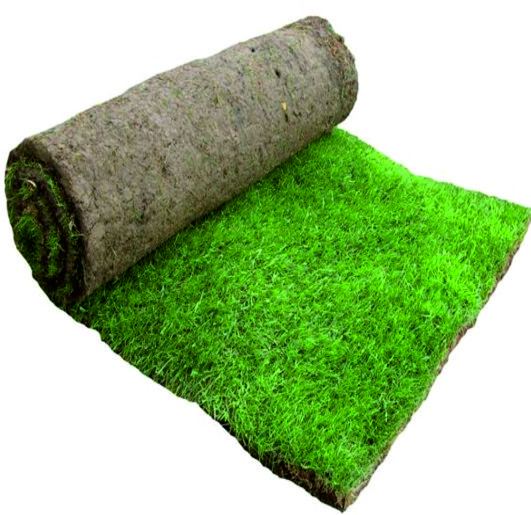
Lawns come back in September if the grass crowns survived. Patches that stay bare after three weeks of cooler nights need replacing.
Five adjustments that hold a garden together
Five adjustments, made on time, hold a garden together through a Dubai summer: a new irrigation schedule each month, a weekly check that every zone ran, emitters added as plants grow, a monthly deep watering to push salt down, and afternoon shade for anything planted since the last autumn.
- Reset the controller at the start of June, July and August, lengthening each run instead of adding extra short cycles.
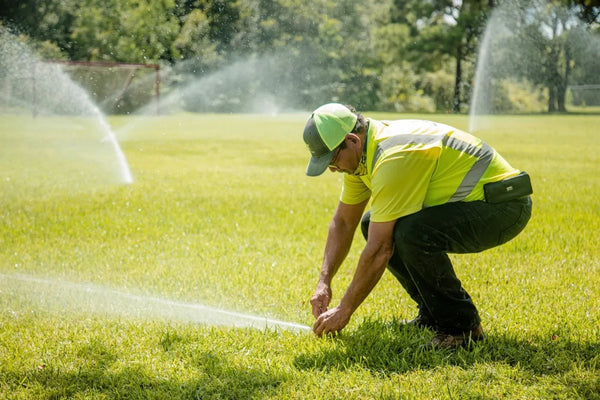
- Confirm every zone ran by walking the garden once a week at dawn and checking the soil is damp 10 cm down.
- Add drip points around shrubs whose canopy has spread past the existing ones.
- Give each bed one long, slow watering a month so salt drains below the roots.
- Shade the youngest plants from about 1 pm with 40 percent cloth until nights cool.
What costs a garden is doing these in August instead of June. A garden maintenance service covers the weekly checks and monthly resets across the summer, so the schedule moves as the heat does.
When the system itself needs changing
The system itself needs changing when a schedule reset can't fix the pattern of damage. Dry arcs in the same lawn corners every year, or one controller zone feeding lawn and shrubs together, mean the layout is wrong, and no amount of extra run time will correct it.
Sprinklers that can't reach lawn corners, or a controller with no way to water beds separately, are jobs for irrigation services, which can redesign the layout around the plants it actually serves.
FAQ
When a summer garden starts going wrong, owners want to know what to expect next and what can still be done. The two answers below give the order of losses and the fix, each tied back to the month by month account set out earlier.
What dies first in a Dubai summer garden?
Bedding plants and pots on paving die first, in June. Lawn edges and shrubs planted that spring follow. Established shrubs scorch in July, rot sets in during August, and trees show damage last. By September anything without new growth has lost too much root.
What saves a garden in summer?
Resetting the irrigation schedule every month saves the most plants. Lengthen each run, check each zone weekly, add emitters as shrubs spread, water deeply once a month to move salt down, and shade anything planted since the previous autumn from early afternoon.
Was this guide helpful?